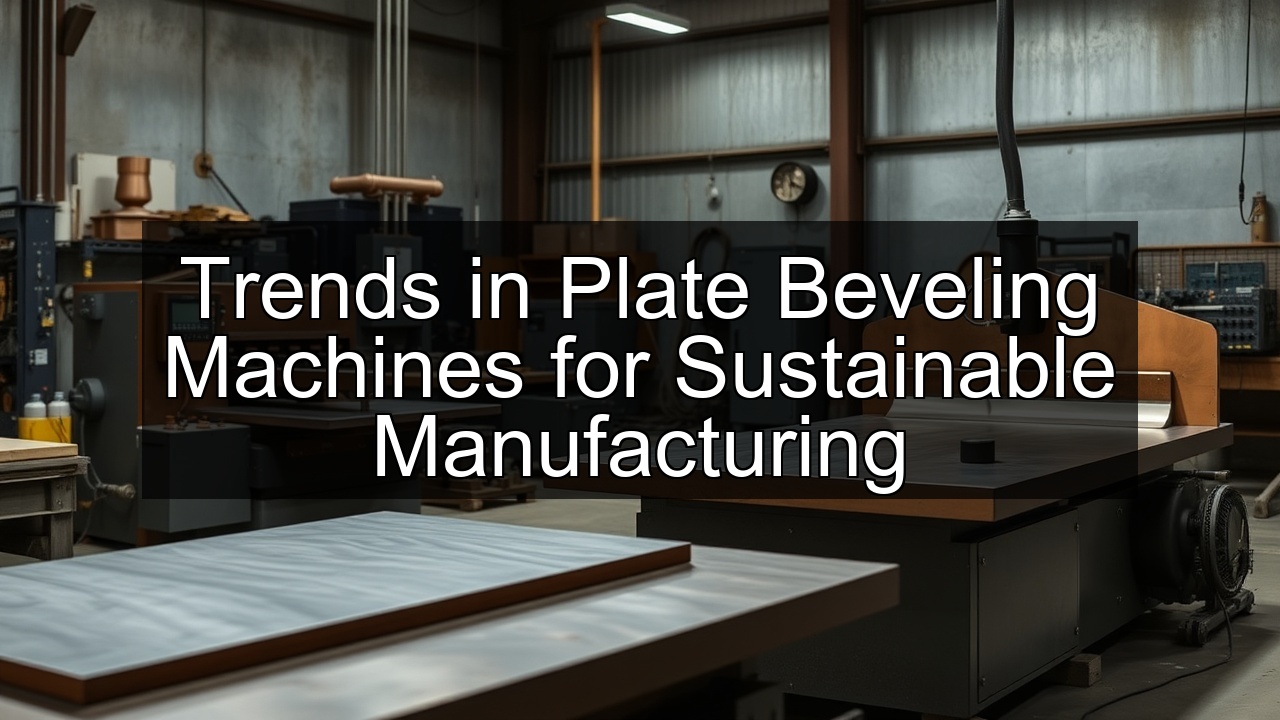
Trends in Plate Beveling Machines for Sustainable Manufacturing
The Evolution of Plate Beveling Machines
Historical Overview of Plate Beveling Technology
Plate beveling machines have undergone significant transformations since their inception. Initially, craftsmen used manual tools to create beveled edges on metal plates for welding purposes, which required considerable skill and time. These early techniques often resulted in inconsistent bevels, leading to weaker welds and increased material waste. As the demand for precision in metalworking grew, so did the need for more efficient solutions. The introduction of powered machines marked a turning point, enabling faster and more uniform beveling processes. Manufacturers began to realize that the quality of bevels directly impacted the integrity of welds, thereby enhancing safety and performance in various applications.
Key Innovations in Machine Tools
Advancements in technology have significantly influenced plate beveling machines. The introduction of CNC (Computer Numerical Control) systems revolutionized the industry, allowing for automated, precise control over beveling angles and depths. This innovation drastically reduced the risk of human error and improved reproducibility. Additionally, developments in blade technology, such as high-speed steel and carbide-tipped blades, have enhanced cutting efficiency and durability. The evolution of automation has also paved the way for more sophisticated features, including programmable settings and real-time monitoring, which optimize production processes. As a result, modern plate beveling machines are not only faster but also more versatile and capable of handling a wide range of materials and thicknesses.
The Role of Brands like Gullco International in Advancements
Brands like Gullco International have played a pivotal role in advancing plate beveling technology. With a commitment to innovation, Gullco has introduced several machine tools designed to enhance productivity and precision in metalworking. Their automatic plate bevelers, for instance, incorporate smart features that streamline operations and reduce manual labor. By focusing on research and development, Gullco International has positioned itself as a leader in the industry, providing high-quality solutions that cater to the evolving needs of manufacturers. The company’s emphasis on sustainable practices also aligns with the growing trend towards eco-friendly manufacturing, further solidifying its status as a key player in the market.
Sustainable Manufacturing Practices in Metalworking
The Importance of Eco-Friendly Tools and Processes
As the metalworking industry faces increasing scrutiny regarding its environmental impact, sustainable manufacturing practices have become essential. Eco-friendly tools and processes reduce waste and energy consumption, benefiting both the planet and the bottom line. Plate beveling machines now feature designs that minimize material waste by optimizing cutting paths and using advanced technology to achieve precision bevels. Manufacturers are increasingly adopting techniques that not only enhance productivity but also focus on sustainability. By utilizing machines that require less energy and produce less scrap, companies can lower their environmental footprint while also realizing cost savings. This shift towards sustainability is not just a trend; it represents a fundamental change in how metalworking operations function.
Automation and Its Impact on Efficiency
Automation plays a crucial role in enhancing the efficiency of plate beveling processes. Automated systems reduce the need for manual labor, allowing operators bevel plate machines to focus on more complex tasks while the machines handle repetitive operations. This not only speeds up production but also improves consistency, leading to higher quality welds. Automated plate bevelers can be programmed to handle various tasks, from adjusting bevel angles to controlling feed rates, ensuring optimal performance. Furthermore, the integration of smart technology enables real-time monitoring, allowing manufacturers to quickly identify and rectify issues before they escalate. This level of automation not only boosts productivity but also contributes to a more sustainable manufacturing environment by reducing material waste and energy consumption.
Reducing Waste through Precision Beveling Techniques
Precision beveling techniques significantly contribute to waste reduction in metalworking. By ensuring that each cut is accurate, manufacturers can minimize scrap and maximize the use of materials. Advanced plate beveling machines equipped with sophisticated software analyze the geometry of the workpiece and adapt cutting strategies accordingly. This precision not only reduces waste but also enhances the quality of welds, leading to stronger and more reliable final products. Moreover, businesses that prioritize waste reduction often find themselves benefiting from lower operational costs and improved efficiency. As the industry moves toward more sustainable practices, the adoption of precision beveling techniques will play a vital role in shaping the future of metalworking.
Types of Plate Beveling Machines and Their Applications
Heavy Duty vs. High Speed Plate Beveling Machines
Understanding the different types of plate beveling machines is crucial for selecting the right tool for specific applications. Heavy duty beveling machines excel in processing thick and large metal plates, making them ideal for shipbuilding and heavy construction industries. These machines often feature robust construction and powerful motors, ensuring they can handle the demands of tough materials. In contrast, high speed plate beveling machines are designed for efficiency and speed, suitable for industries requiring rapid production cycles. These machines facilitate quick setups and adjustments, making them perfect for smaller parts and lighter materials. Choosing between heavy-duty and high-speed options depends on the specific requirements of the project, including material type, thickness, and production volume.
Automatic Plate Bevelers: Features and Benefits
Automatic plate bevelers bring a host of features that enhance productivity and quality in metalworking. These machines allow for programmable beveling, enabling operators to set specific parameters for different projects. Features like adjustable bevel angles and variable feed rates provide flexibility, accommodating a range of materials and thicknesses. The benefits of using automatic plate bevelers extend beyond efficiency; they also significantly reduce labor costs and minimize human error. Operators can achieve consistent results without extensive manual intervention, ensuring high-quality welds across various applications. Furthermore, the integration of technology in these machines allows for real-time monitoring and analysis, offering manufacturers valuable insights into their processes while promoting sustainable practices.
Industrial Beveling Machines for Large Scale Production
Industrial beveling machines cater specifically to large-scale production needs in various sectors. These robust machines are designed to handle high volumes of work with precision and speed. With features such as multi-head configurations and advanced automation, industrial beveling machines can process multiple plates simultaneously, significantly increasing throughput. Industries like shipbuilding, construction, and aerospace rely on these machines for their ability to maintain consistency and quality across large projects. The durability and efficiency beveler machines of industrial beveling machines translate to lower operational costs over time, making them a wise investment for manufacturers aiming to scale their production capabilities. As demand for high-quality metal components continues to grow, these machines will play a crucial role in meeting industry standards.
Future Trends in Plate Beveling Technology
Integration of Smart Technology in Machine Tools
The future of plate beveling technology lies in the integration of smart technology within machine tools. This trend encompasses the use of IoT (Internet of Things) devices, AI (Artificial Intelligence), and machine learning to enhance operational efficiency. Smart beveling machines can collect and analyze data in real-time, allowing manufacturers to optimize their processes and reduce downtime. Predictive maintenance becomes feasible as machines can signal when components require servicing, preventing costly breakdowns. This integration not only improves productivity but also aligns with sustainable manufacturing practices by ensuring that resources are used efficiently. As the metalworking industry embraces these technologies, plate beveling machines will become more intelligent, responsive, and capable of adapting to changing manufacturing demands.
The Shift Towards Sustainable Materials in Metalworking
Metalworking is witnessing a shift towards sustainable materials, driven by environmental concerns and industry regulations. As manufacturers seek to reduce their carbon footprint, they increasingly opt for recycled metals and eco-friendly alternatives in their processes. Plate beveling machines must adapt to work effectively with these materials, which may require different cutting techniques and tools. The use of sustainable materials not only helps in minimizing environmental impact but also appeals to customers who prioritize eco-friendly practices. This trend will likely shape the future design and functionality of plate beveling machines, as manufacturers strive to meet evolving market demands while maintaining high standards of quality and performance.
Emerging Trends in Deburring and Weld Preparation
Deburring and weld preparation are critical steps in the metalworking process, and emerging trends in these areas reflect a growing emphasis on efficiency and quality. Innovations in deburring techniques, such as automated systems and precision tools, enhance the quality of finishes and reduce the time required for weld preparation. These advancements minimize the need for manual deburring, which can be labor-intensive and inconsistent. The integration of advanced plate beveling machines with deburring functions streamlines operations, resulting in smoother edges and improved weld quality. As the industry continues to evolve, manufacturers must stay ahead of these trends to ensure their operations remain competitive and sustainable.