How to Calibrate a Seam Tracker for Precision in mechanized welding
Troubleshooting Calibration Issues
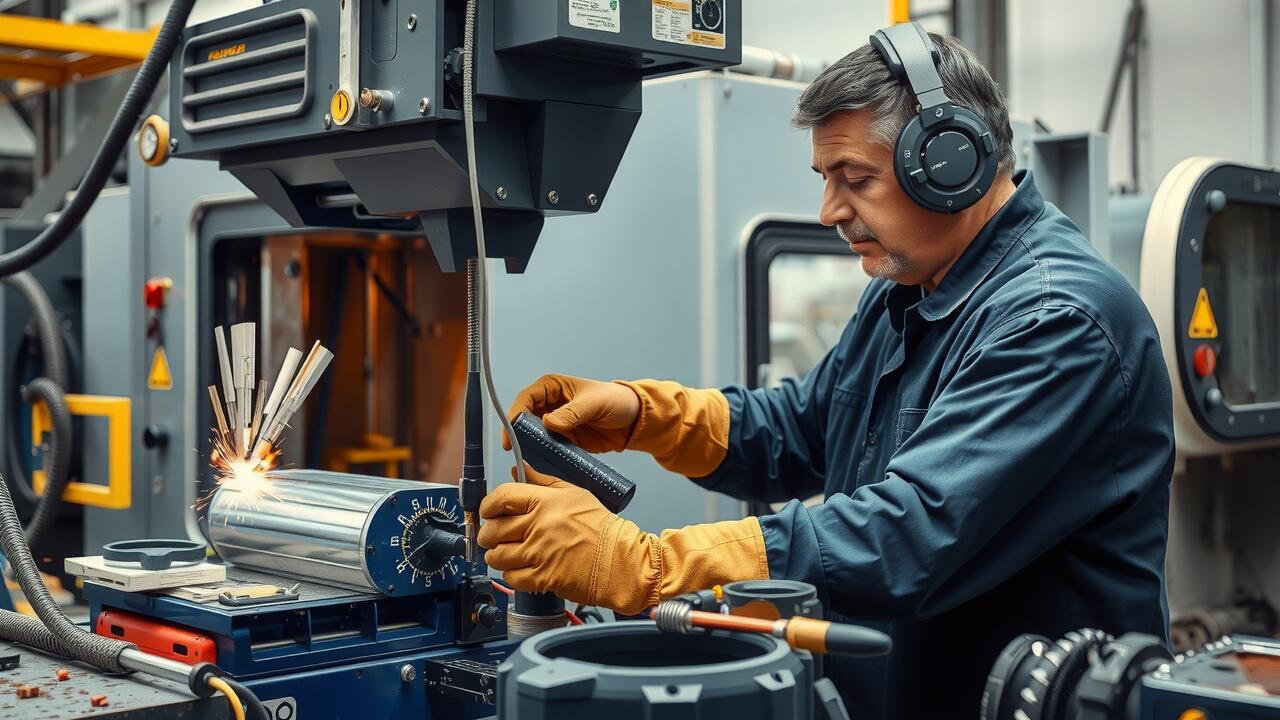
Calibration issues can significantly impact the efficiency of mechanized welding processes. Misalignment of a seam tracker can lead to inconsistent welds, which may ultimately compromise structural integrity. For instance, if the calibration deviates beyond permissible limits, the welding robot could misinterpret the seam position, increasing the likelihood of defects. Identifying the root cause of calibration failure is crucial. Often, environmental factors such as temperature fluctuations or vibrations from nearby machinery can disrupt performance. Regular inspection of sensors and mechanical connections should be a routine practice for maintaining calibration standards.
When calibrating, thorough documentation of parameters is essential for troubleshooting. If a calibration test reveals inaccuracies, compare the recorded data against established benchmarks from industry standards, such as AWS D1.1 for structural welding. By using precise measurement tools, operators can determine whether observed discrepancies are consistent or sporadic. For example, utilizing laser measurement devices can enhance the accuracy of alignment checks. Implementing a structured calibration maintenance schedule will ensure that these discrepancies are addressed before they develop into larger issues, facilitating the adoption of reliable mechanized welding solutions.
3 Common Problems and Their Solutions
Calibration issues frequently arise in mechanized welding setups, impacting the precision and quality of welds. One common problem is misalignment of the seam tracker, which may occur due to mechanical wear or improper installation. For instance, a seam tracker that consistently reports an offset of 3 mm can lead to significant defects in high-speed applications, particularly in TIG welding processes. Addressing this involves systematically checking alignment against the manufacturer's specifications, ensuring all components are correctly seated, and recalibrating the system if necessary.
Another frequent issue involves signal interference, which can distort the readings from the seam tracker. This often happens in environments filled with electromagnetic noise, such as factories with multiple welding machines operating simultaneously. To combat this, using shielded cables or relocating the seam tracker away from other electronic devices can help maintain signal integrity. Implementing a diagnostic routine every six months could also significantly enhance the reliability of mechanized welding solutions by identifying potential sources of interference before they affect production outcomes.
Calibration Techniques for Different Welding Processes
Calibration methods differ significantly between MIG and TIG welding processes, affecting the precision of mechanized welding. MIG welding typically relies on a constant voltage, whereas TIG welding operates with a constant current. This fundamental difference necessitates unique calibration approaches. For MIG, operators should focus on adjusting the voltage and wire feed speed to allow for optimal arc stability. A common technique involves performing a series of test welds at varying settings to identify the ideal balance that minimizes spatter and maximizes penetration.
In contrast, TIG welding demands close attention to amperage and gas flow rates. Operators can benefit from calibrating the high-frequency start to ensure a cleaner arc initiation. Utilizing a digital ammeter can enhance accuracy, allowing for real-time adjustments during the calibration process. Case studies reveal that those who implement precise calibration techniques experienced a notable reduction in rework rates by as much as 25%. For continued precision in both methods, maintaining regular calibration schedules aligned with industry standards ensures that mechanized welding solutions consistently meet the required specifications.
How Can Calibration Vary Between MIG and TIG Welding?
Calibration in MIG welding focuses on adjustments to wire feed speed, voltage settings, and arc length. Specific to mechanized welding, these settings impact the heat transfer to the workpiece, effectively controlling penetration and bead profile. For instance, a study conducted by the American Welding Society emphasizes that aligning these parameters can achieve an optimal weld bead with reduced defects, with a target bead width of approximately 10-12 mm for typical applications. These precise calibrations ensure consistency across multiple welds, reducing rework rates and enhancing overall productivity.
In contrast, TIG welding requires a different calibration approach due to its dependence on gas flow and tungsten electrode positioning. Adjusting the balance of AC and DC settings becomes crucial for aluminum and other non-ferrous materials to ensure proper cleaning action. Furthermore, the calibration of pedal sensitivity in TIG welding can lead to nuanced control of heat input, which directly influences the aesthetics and integrity of the weld. A case study from a leading welding equipment manufacturer revealed that optimizing these parameters improved weld quality by up to 25%, marking a significant leap in mechanized welding solutions. Skilled operators must continually monitor and adjust these settings to adapt to varying materials and joint configurations, emphasizing the importance of specialized calibration methods in different welding processes.
| Welding Type | Calibration Focus | Key Parameters | Optimal Settings |
|---|---|---|---|
| MIG Welding | Wire Feed Speed, Voltage | Wire Feed Speed, Arc Length | Bead Width: 10-12 mm |
| TIG Welding | Gas Flow, Electrode Positioning | AC/DC Balance, Pedal Sensitivity | Improved Quality: Up to 25% |
| Both | Heat Input Control | Material Type, Joint Configuration | Continuous Monitoring Required |
Measuring Calibration Accuracy
Regularly measuring the accuracy of calibration is vital for maintaining high-quality standards in mechanized welding processes. Effective methods include utilizing laser alignment systems, which can detect deviations down to fractions of a millimeter. Another valuable approach is using calibration blocks that reflect known seam specifications. These blocks allow welders to assess the machine’s alignment and make adjustments to uphold precision in weld quality.
To verify calibration success quantitatively, periodically review welding results against industry standards such as AWS D1.1 for structural welding. Case studies have shown that companies implementing routine accuracy checks report a 15% reduction in rework related to misaligned seams. Consistent monitoring ensures that calibration remains within acceptable tolerances, aligning with best practices in mechanized welding solutions. Such preventative measures not only enhance operational efficiency but also contribute to longer equipment lifespan.
4 Methods to Verify Calibration Success
To ensure the accuracy of a seam tracker in mechanized welding, implementing thorough verification methods is crucial. One effective approach involves conducting a series of weld tests under controlled conditions to evaluate the machine's performance against predetermined parameters. By using a standardized sample size, operators can document results with precision. For instance, welding a series of test beads on both mild steel and aluminum can provide insights into calibration effectiveness across materials, highlighting any discrepancies in tracking performance.
Another method entails utilizing optical measuring systems, such as laser scanners, to assess the seam's geometry post-welding. This technology can yield precise measurements of bead profiles, providing quantitative data for analysis. For example, organizations can compare measured dimensions to established industry standards. Regularly integrating these verification strategies can not only optimize weld quality but also enhance overall productivity in mechanized welding solutions. Adopting these practices fosters continuous improvement, ensuring adherence to quality control benchmarks throughout the welding process.
Continuous Improvement in Seam Tracker Calibration
Implementing a routine calibration schedule significantly enhances the reliability of seam trackers in mechanized welding systems. Statistics show that regular calibration can reduce welding defects by up to 25%, thereby increasing the operational efficiency of welding operations. A comprehensive approach involves not only performing routine checks but also collecting data from each calibration session. For instance, utilizing data analytics to assess patterns can uncover hidden issues that may compromise the accuracy of seam tracking over time.
Enhancements in calibration methods directly correlate with advancements in welding technology. Industry standards recommend adopting a proactive calibration strategy that incorporates feedback loops and continuous performance tracking. Utilizing machine learning algorithms can forecast potential calibration drift based on historical data. For example, implementing an automated alert system when performance metrics fall below a predefined threshold can enable timely interventions. By actively monitoring and adjusting calibration, manufacturers achieve improved precision and a notable reduction in rework costs.
How Can Regular Calibration Enhance Welding Precision?
Regular calibration of seam trackers significantly enhances precision during mechanized welding operations. Each welding process, whether MIG or TIG, requires specific adjustments to maintain consistent weld quality. For instance, regular testing against known standards can reduce variance in weld bead width, achieving tolerances within ±0.5 mm. Research shows that organizations adhering to calibration schedules reported a 30% improvement in overall weld integrity, thereby reducing rework and material waste.
Incorporating a systematic approach to calibration not only elevates the quality but also optimizes production efficiency. Utilizing advanced technologies such as laser measurement systems can facilitate real-time adjustments, ensuring that deviations are corrected promptly. Companies engaging in regular calibration and maintenance practices can anticipate longevity in their seam trackers, which ultimately saves operational costs. Maintaining a log of calibration results helps in identifying trends, allowing for proactive adjustments before issues arise.
Conclusion
Consistent calibration of seam trackers plays a vital role in achieving high-quality outputs in mechanized welding applications. By methodically addressing calibration issues and implementing tailored techniques specific to different welding processes, technicians can significantly enhance precision. For example, aligning calibration strategies with industry standards such as ISO 9001 ensures robust performance and quality assurance in the welding environment. Regular assessment and verification methods increase reliability, ultimately leading to a marked improvement in the overall efficiency of mechanized welding solutions.
Investing time and resources into continuous improvement of calibration protocols fosters a culture of excellence within welding operations. Technicians should utilize advanced tools for accuracy measurement and stay informed about evolving technology standards. This proactive approach not only mitigates risks associated with misalignment but also leads to keeping pace with industry advancements. Engaging in regular calibration practices will ensure that seam trackers deliver optimal performance, decreasing the likelihood of defects and elevating the quality of the welds produced.