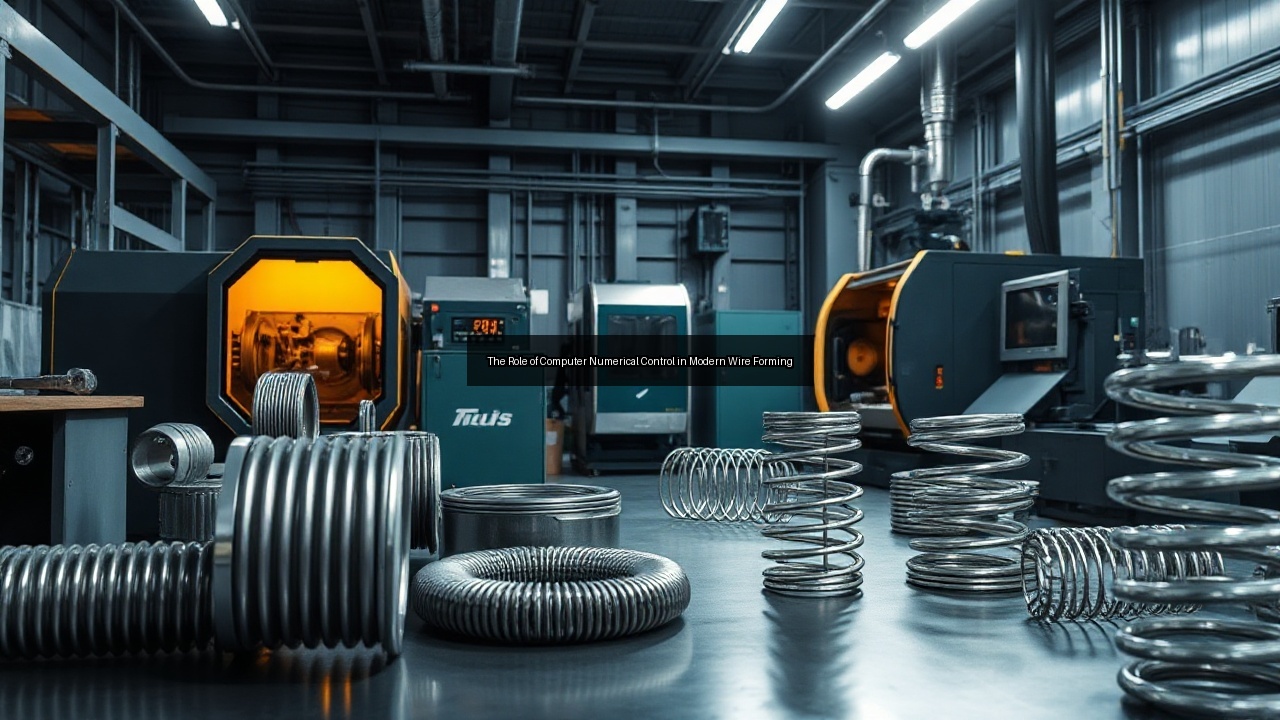
The Role of Computer Numerical Control in Modern Wire Forming
Understanding Wire Forming and Its Applications
Overview of Wire Forming Techniques
Wire forming represents a critical manufacturing process that shapes wire into various forms and configurations. This technique utilizes numerous methods, including bending, coiling, and twisting, to achieve specific wire shapes required for different applications. The process begins with raw wire, typically made from materials like stainless steel or carbon steel, which undergoes mechanical manipulation to create finished products. Engineers and designers employ wire forming to produce a wide range of components, from simple hooks to complex shapes used in machinery. The versatility of wire forming techniques allows for efficient production, making it a staple in modern manufacturing.
Common Materials Used in Wire Forming
Wire forming involves various materials, with stainless steel being among the most popular due to its strength, corrosion resistance, and durability. Other common materials include aluminum, copper, and carbon steel, each chosen for their unique properties. For instance, aluminum offers lightweight characteristics, while copper provides excellent conductivity. The choice of material directly impacts the wire's performance in its intended application. Understanding the material properties is essential for engineers to ensure the wire formed meets specific requirements, such as tensile strength and flexibility. Additionally, different coatings or treatments can enhance material performance, further expanding the possibilities of wire forming.
Applications in Aerospace and Engineering
Wire forming plays a crucial role in various industries, particularly in aerospace and engineering. In aerospace, wire formed components are essential for aircraft structures, offering lightweight yet robust solutions. Applications range from safety cables to intricate brackets that support critical systems. In engineering, wire forming contributes to the production of coil springs, clips, and custom wire shapes necessary for machinery and equipment. The ability to manufacture precise wire components ensures that engineering projects can meet tight tolerances and performance specifications. Overall, wire forming serves as a backbone in these fields, facilitating innovation and efficiency in design and manufacturing.
The Impact of Computer Numerical Control on Wire Forming
Introduction to Computer Numerical Control (CNC)
Computer Numerical Control (CNC) revolutionizes the wire forming industry by automating the shaping process with unparalleled precision. CNC technology utilizes computer algorithms to control the movements of wire forming machines, allowing for intricate designs and complex geometries that manual processes cannot achieve. This technology enables manufacturers to input detailed specifications directly into the machine, which then executes the wire forming process with accuracy. CNC systems can handle various wire diameters and materials, adapting to diverse production needs. The integration of CNC into wire forming not only enhances productivity but also reduces the margin of error, resulting in high-quality formed wire components.
Advantages of CNC in Wire Forming Processes
CNC technology offers numerous advantages in wire forming processes. One significant benefit is the ability to produce complex shapes consistently and efficiently. Traditional methods often involve labor-intensive manual work, which can lead to variations in quality. CNC eliminates these inconsistencies by following programmed instructions with exact precision. Furthermore, CNC machines require less manual intervention, reducing labor costs and production time. The ability to quickly adjust designs through software also facilitates rapid prototyping, enabling engineers to test and iterate on wire shapes before full-scale production. This flexibility is essential in industries where design requirements change frequently and speed to market is critical.
Precision and Tolerances in CNC Wire Forming
Precision stands as one of the most notable advantages of CNC wire forming. The technology allows manufacturers to achieve tight tolerances that are often challenging to maintain through manual processes. Tighter tolerances ensure that wire formed components fit perfectly within their intended applications, improving overall product performance and reliability. CNC systems can accurately replicate designs with minimal deviation, which is crucial in sectors such as aerospace, where safety depends on precision. By utilizing advanced measurement tools and feedback systems, CNC machines continually monitor and adjust their operations, ensuring that every piece of formed wire meets stringent quality standards. This level of accuracy sets CNC wire forming apart from traditional methods, making it the preferred choice for high-stakes applications.
Wire Forming Capabilities and Innovations
Prototyping and Custom Wire Shapes
Prototyping represents a significant aspect of wire forming capabilities, allowing engineers to create custom wire shapes tailored to specific project requirements. The CNC technology facilitates rapid prototyping, enabling quick adjustments and iterations on designs. Manufacturers can produce wire forms that meet exact specifications, whether they require unique angles, specific diameters, or custom lengths. This adaptability fosters innovation, as designers can explore unconventional shapes without the limitations often imposed by traditional wire forming methods. Moreover, the ability to create bespoke wire shapes leads to improved functionality in products, enhancing their performance in real-world applications. Prototyping in wire forming not only saves time but also reduces costs associated with material waste and production errors.
Threading and Extrusion Techniques
Threading and extrusion stand as vital techniques within the wire forming process. Threading involves creating helical grooves on the surface of wire, which is essential for applications such as screws and fasteners. This process ensures that components can securely connect with other parts, contributing to the integrity of assembled products. On the other hand, extrusion involves forcing material through a die to create specific shapes, allowing for the production of continuous wire forms with uniform cross-sections. Both techniques enhance the versatility of wire forming, expanding its applications across various industries. By combining threading and extrusion with CNC technology, manufacturers can achieve highly customized and functional wire forms suited for diverse engineering needs.
Case Studies: Successful Wire Forming Applications
Numerous case studies highlight the success of wire forming in various industries, showcasing its effectiveness and adaptability. For instance, aerospace companies utilize wire formed components in safety systems, where reliability is paramount. These components undergo rigorous testing to ensure they meet the stringent safety standards required in aviation. Another example involves the automotive industry, where wire formed parts contribute to the assembly of complex machinery, enhancing performance and safety. In both cases, the precision and flexibility of wire forming, particularly with CNC technology, have proven essential in meeting industry demands. These successful applications underline the importance of investing in advanced wire forming capabilities to stay competitive in today's manufacturing landscape.
Choosing the Right Wire Forming Machines and Brands
Key Features to Consider in Wire Forming Machines
Selecting the right wire forming machine requires consideration of several key features. First, assess the machine's capability to handle various wire diameters and materials, as flexibility is crucial for meeting diverse project demands. Look for machines equipped with advanced CNC technology, as this can significantly enhance precision and reduce production time. Additionally, consider the machine's ease of use; user-friendly interfaces and programmable features can streamline operations. Tolerance levels are another critical aspect; machines that consistently achieve tight tolerances ensure high-quality output. Lastly, evaluate the machine's durability and maintenance requirements, as investing in robust equipment can lead to lower long-term operational costs.
Popular Brands in the Wire Forming Industry
Several brands stand out in the wire forming industry, known for their quality, innovation, and reliability. Companies like Rivit, KSI, and Wire Tech offer a range of wire forming machines that cater to different manufacturing needs. Rivit specializes in advanced CNC wire forming technology, providing solutions that enhance precision and efficiency. KSI focuses on versatile machines capable of handling various wire shapes, making them suitable for diverse applications. Wire Tech is recognized for its robust industrial machines designed for high-volume production. Each brand brings unique strengths to the table, helping manufacturers choose the right equipment for their specific wire forming processes.
Future Trends in Wire Forming Technology
The wire forming industry continues to evolve, driven by advancements in technology and changing market demands. One significant trend is the increased integration of automation and robotics into wire forming processes, enhancing efficiency and precision. Smart machines equipped with AI and IoT capabilities will enable manufacturers to analyze production data in real-time, optimizing performance and reducing waste. Additionally, sustainable practices are gaining traction, with manufacturers exploring eco-friendly materials and processes. As the demand for customization rises, wire forming technology will likely adapt to offer even greater flexibility in design and production. Embracing these trends will be essential for companies aiming to stay competitive in the rapidly evolving manufacturing landscape.
See Also
- Maximizing Tolerances in Wire Forming for High-Quality Outcomes
- The Impact of Computer Numerical Control on Wire Forming Efficiency
- How Wire Diameter Affects the Performance of Coil Springs
- Prototyping with Wire Forming Techniques for Efficient Product Development
- Wire Shapes That Define Industries The Art of Wire Forming