Preventing Corrosion with the Right Heavy-Duty Grease Solutions
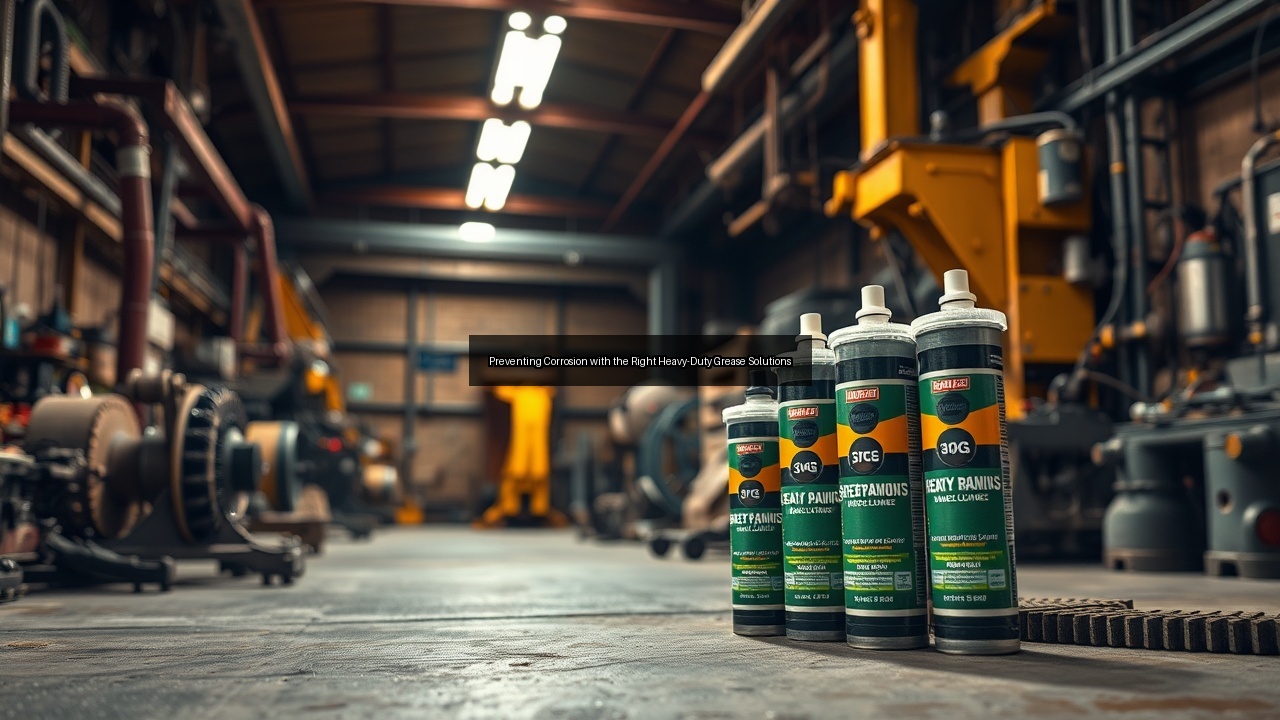
Understanding Heavy-Duty Industrial Greases
The Role of Greases in Machinery Protection
Heavy-duty industrial greases play a crucial role in protecting machinery and equipment from wear and tear. These lubricants form a protective barrier that minimizes friction between moving parts, significantly reducing the likelihood of premature failure. In environments where machinery operates under high temperatures, pressures, and heavy loads, the right grease lubricant becomes essential. Greases not only reduce friction but also prevent corrosion—an enemy of machinery longevity. Effective lubrication extends the life of bearings, gears, and other critical components, ensuring that heavy equipment continues to function optimally. Proper greasing can save companies substantial amounts in repair costs and downtime, making it a vital practice in industrial maintenance.
Types of Heavy-Duty Greases: A Comparative Overview
Understanding the different types of heavy-duty greases is vital for selecting the right lubricant for specific applications. Common grease types include lithium, calcium, and silicone greases, each with unique properties suited for various environments. Lithium greases dominate the market due to their versatility, excellent water resistance, and ability to operate at a wide temperature range. Calcium greases offer superior water resistance, making them ideal for marine and agricultural applications. On the other hand, silicone greases excel in extreme temperatures and are often used in high-performance settings, such as in the food and beverage industry. Each type of grease serves distinct purposes, and understanding these differences allows for informed choices that enhance machinery protection.
Key Properties of Effective Lubricating Greases
Effective lubricating greases possess several key properties that ensure optimal performance in various industrial applications. First, the consistency of the grease—determined by its NLGI grade—affects its ability to stay in place under pressure while lubricating moving parts. High-quality greases also feature excellent shear stability, ensuring that they maintain their protective qualities even under extreme conditions. Additionally, rust and corrosion inhibitors are crucial for preventing damage to metal parts. The ability to resist water washout and maintain performance in the presence of contaminants is another essential property. Lastly, additives such as extreme pressure (EP) agents enhance the grease’s ability to withstand heavy loads, making these lubricants indispensable in heavy-duty machinery.
Applications of Heavy-Duty Greases Across Industries
Industrial Applications: Construction and Mining
Heavy-duty greases find extensive use in the construction and mining industries, where machinery operates under harsh conditions. Equipment such as bulldozers, excavators, and haul trucks rely on robust lubrication to function efficiently. In these environments, dust, grit, and moisture pose significant threats to machinery integrity. Greases specifically formulated for these applications contain additives that provide enhanced protection against wear and corrosion. For instance, heavy-duty gear oils and greases with extreme pressure capabilities ensure that heavy machinery remains operational despite the immense loads and friction involved. Regular greasing not only improves equipment performance but also minimizes downtime, leading to increased productivity and profitability for construction and mining operations.
Agricultural Equipment: Ensuring Longevity
Agricultural equipment operates in diverse environments, often exposing machinery to moisture, dust, and variable temperatures. Heavy-duty greases play a vital role in extending the life of tools like tractors, harvesters, and irrigation systems. Greases formulated for agricultural applications often include anti-wear and anti-corrosion additives, ensuring that the equipment withstands the rigors of farm work. For example, lubricants used for wheel bearings and engine components must endure high stress and frequent exposure to elements. Proper greasing techniques not only protect these vital components but also enhance overall machine efficiency, ensuring that farmers can operate their equipment reliably throughout the season.
Food and Beverage Industry: Safety and Compliance
In the food and beverage industry, using the right heavy-duty greases is critical for safety and compliance with health regulations. Food-grade lubricants must meet stringent guidelines to ensure they do not contaminate products. These greases often come in synthetic forms, offering excellent performance under high temperatures and pressures without compromising safety. Applications range from conveyor systems to ovens, where high-temperature resistance is essential. Greasing tools and machinery with food-safe lubricants prevents friction and wear while ensuring that the production process adheres to safety standards. Employing the right grease not only protects machinery but also upholds the integrity of food safety protocols, making it indispensable in this industry.
Selecting the Right Heavy-Duty Grease Solutions
Factors to Consider: Temperature, Pressure, and Environmental Conditions
Selecting the right heavy-duty grease solutions requires a thorough understanding of the operating conditions. Temperature fluctuations can significantly impact the performance of grease lubricants. For instance, high temperatures may cause some greases to thin out, reducing their effectiveness, while low temperatures can lead to increased viscosity and inadequate lubrication. Additionally, pressure plays a critical role; heavy machinery often operates under extreme loads, necessitating greases with extreme pressure additives. Environmental conditions also influence grease selection. For operations exposed to moisture, choosing water-resistant greases becomes essential to prevent rust and corrosion. By assessing these factors, operators can select the most suitable grease products to ensure optimal machinery performance.
Grease Types: Calcium, Lithium, Silicone, and More
Choosing the right grease type impacts machinery performance and longevity. Calcium greases offer excellent water resistance, making them ideal for outdoor applications, while lithium greases provide versatility across a range of temperatures and pressures. Silicone greases excel in extreme environments, often found in food processing and high-performance machinery. Other specialized lubricants, such as molybdenum disulfide greases, provide superior protection under high-pressure conditions, making them suitable for heavily loaded applications like railroad equipment and gear systems. Each grease type has distinct characteristics that cater to specific industrial needs. A comprehensive understanding of these options enables operators to make informed choices that enhance equipment reliability and efficiency.
Brand Recommendations: Trusted Heavy-Duty Grease Products
When selecting heavy-duty greases, opting for trusted brands ensures quality and performance. Established manufacturers like Mobil, Shell, and Chevron offer a range of industrial-grade greases designed for various applications. These brands invest in research and development to formulate lubricants that meet the evolving needs of industries such as agriculture, construction, and food processing. Additionally, specialized companies like Kluber Lubrication and Amsoil provide niche products tailored for specific environments and machinery types. Relying on reputable brands not only guarantees superior lubrication but also offers peace of mind regarding compliance with industry standards, safety requirements, and overall equipment longevity.
Best Practices for Application and Maintenance
Greasing Techniques for Maximum Efficiency
Applying heavy-duty greases effectively requires adherence to best practices that maximize efficiency. Proper greasing techniques involve not just the quantity of grease applied but also the timing and method of application. Over-greasing can lead to excess pressure, forcing grease out of seals and causing contamination, while under-greasing results in insufficient protection and increased wear. Utilizing a grease cartridge or lube gun allows for precise application, ensuring that the lubricant reaches all necessary components. Regular maintenance schedules should dictate when greasing occurs, aligning with the manufacturer’s recommendations and operational demands. Monitoring machinery performance and adjusting greasing frequency based on usage can further enhance efficiency and prolong equipment life.
Monitoring Grease Condition: Signs of Corrosion
Monitoring the condition of grease is crucial for preventing corrosion and ensuring optimal machinery performance. Operators should regularly inspect grease for signs of contamination, discoloration, or changes in texture. The presence of water or moisture can indicate a failure in seals or gaskets, leading to potential corrosion of metal components. Additionally, changes in the grease's consistency can signal breakdown or degradation, necessitating a change in lubricant. Conducting routine maintenance checks and employing diagnostic tools can help identify underlying issues before they escalate into costly repairs. By keeping a vigilant eye on grease condition, operators can effectively safeguard machinery against corrosion and ensure efficient operation.
Storage and Handling of Grease Cartridges and Lubricants
Proper storage and handling of grease cartridges and lubricants significantly affect their performance and lifespan. Greases should be stored in a cool, dry environment away from direct sunlight and extreme temperatures, which can degrade the lubricants. Sealing containers tightly prevents contamination and moisture ingress, ensuring that the product remains effective. When handling grease cartridges, operators must use clean tools to avoid introducing contaminants that can compromise grease quality. Additionally, following the manufacturer's guidelines on shelf life and expiration dates is crucial for maintaining lubrication integrity. By adhering to these best practices, operators can ensure that their heavy-duty greases remain effective and ready for optimal machinery protection.
See Also
- Greasing Strategies for Optimal Performance in Construction Machinery
- The Ultimate Guide to Choosing the Right Grease for Heavy Equipment
- Innovative Technologies Transforming Heavy-Duty Industrial Greases
- Understanding the Role of Grease Lubricants in Food and Beverage Production
- Heavy-Duty Greases for Agricultural Equipment Maintenance