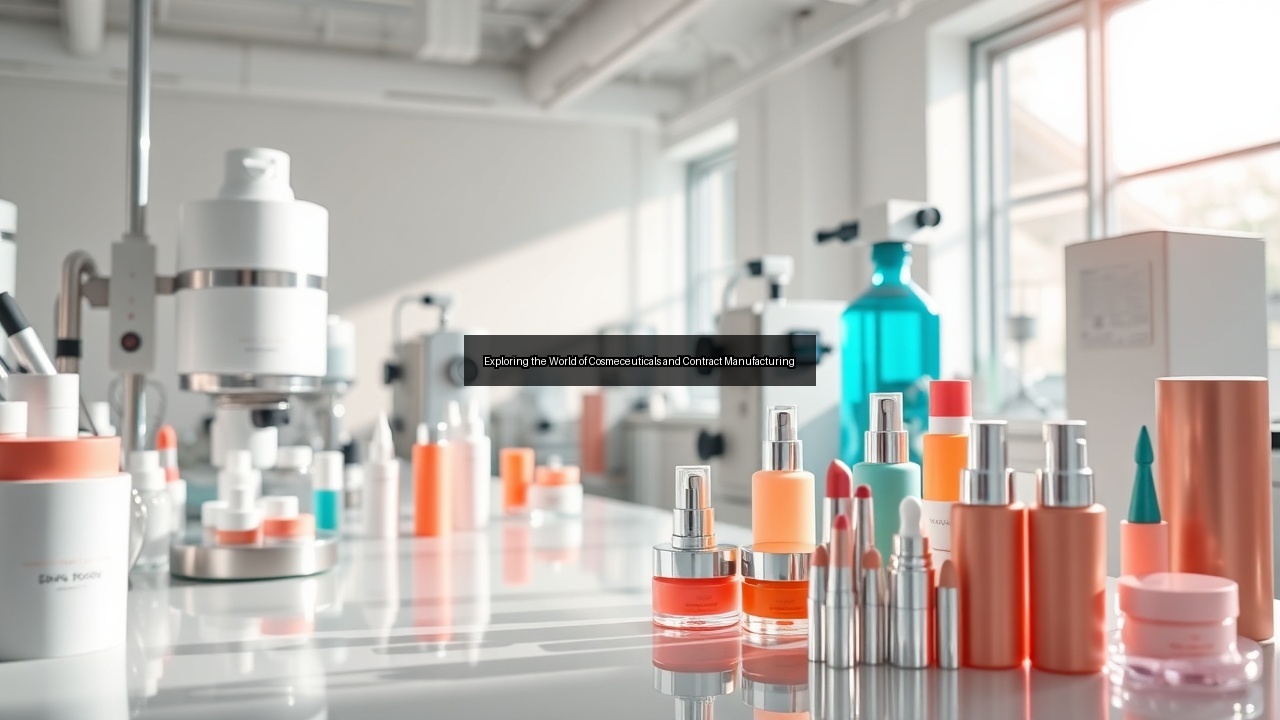
Exploring the World of Cosmeceuticals and Contract Manufacturing
Understanding Cosmeceuticals and Their Market Impact
What Are Cosmeceuticals?
Cosmeceuticals bridge the gap between cosmetics and pharmaceuticals. They consist of skincare products and makeup infused with active ingredients that provide therapeutic benefits. These products often target specific skin concerns, such as acne, aging, or hyperpigmentation, offering results that go beyond mere aesthetic enhancement. Cosmeceuticals typically include antioxidants, peptides, retinoids, and botanical extracts, which are scientifically formulated to improve skin health and appearance. The growing emphasis on skin health propels the demand for these products, as consumers increasingly seek out solutions that deliver visible results while enhancing their skincare and cosmetic routines.
The Rise of Skincare and Makeup Integration
Integration of skincare and makeup marks a significant shift in the cosmetics landscape. Contemporary consumers prioritize multifunctionality in their beauty products. They expect makeup that not only beautifies but also nourishes and protects the skin. This trend leads to the emergence of tinted moisturizers, BB creams, and foundation formulas enhanced with skin-loving ingredients. Brands continually innovate, developing products that deliver coverage while infusing hydration and anti-aging properties. This seamless integration of skincare and makeup not only meets consumer demands but also reshapes perceptions about what constitutes effective cosmetics. The emphasis on skin health within the makeup category underscores the power of cosmeceuticals in today’s beauty market.
Market Trends in Cosmeceuticals
The cosmeceutical market continues to expand, driven by heightened consumer awareness and a growing preference for products that deliver measurable benefits. Research shows that consumers are willing to invest in higher-quality skincare products that combine cosmetic appeal with therapeutic efficacy. This trend reflects an increasing desire for transparency regarding ingredients and formulations. Additionally, the rise of social media and online beauty communities accelerates the dissemination of information about effective cosmeceuticals, influencing purchasing decisions. Sustainability also shapes market dynamics, with brands adopting eco-friendly practices in packaging and ingredient sourcing. As a result, the cosmeceutical market is poised for sustained growth, presenting opportunities for both established brands and new entrants.
The Role of Contract Manufacturing in the Cosmetics Industry
What is Contract Manufacturing in Cosmetics?
Contract manufacturing in cosmetics involves outsourcing the production of cosmetic products to specialized manufacturers. This arrangement allows brands to focus on their core competencies, such as marketing and product development, while leveraging the expertise, technology, and resources of contract manufacturers. These partners manage various aspects of production, from sourcing raw materials to quality control and packaging design. By utilizing contract manufacturing services, brands can scale their operations efficiently, reduce overhead costs, and respond agilely to market demands. The relationship between cosmetic brands and contract manufacturers plays a pivotal role in bringing innovative products to market, catering to the ever-evolving preferences of consumers.
Benefits of Using a Contract Manufacturing Partner
Engaging a contract manufacturing partner offers numerous advantages for cosmetic brands. Firstly, it reduces the capital investment required for facilities and equipment, enabling brands to allocate resources toward research and marketing. Secondly, contract manufacturers often possess specialized knowledge of compliance with FDA regulations, ensuring that products meet safety and efficacy standards. This expertise minimizes the risk of regulatory issues and enhances brand credibility. Furthermore, contract manufacturers can adapt to varying production quantities, making it easier for brands to launch limited editions or respond to seasonal trends. By leveraging the capabilities of a contract manufacturer, brands can accelerate their time to market while maintaining high-quality standards across their product lines.
Key Considerations for Choosing a Contract Manufacturer
Selecting the right contract manufacturer in the cosmetics industry requires careful evaluation. Brands should assess the manufacturer's expertise in producing specific cosmetics, including skincare products and makeup. Compatibility with brand values is essential; the chosen partner should share a commitment to quality, sustainability, and ethical practices. Additionally, investigating the manufacturer's certifications and compliance with FDA regulations is crucial for ensuring product safety. Brands should also consider the manufacturer's ability to scale production and adapt to changing market demands. Finally, clear communication and collaboration between the brand and the contract manufacturer foster a successful partnership, ensuring both parties align on expectations and deliverables.
Navigating Regulations and Quality Control
FDA Regulations and Compliance in Cosmetics
Compliance with FDA regulations is critical for cosmetic brands utilizing contract manufacturing. The FDA oversees the safety and labeling of cosmetics sold in the United States, and adherence to these regulations is non-negotiable. Brands must ensure that their products do not contain harmful ingredients and that claims made on packaging are substantiated. Contract manufacturers play a crucial role in this compliance process, as they must adhere to Good Manufacturing Practices (GMP) to ensure product safety and quality. Regular audits of manufacturing processes and ingredient sourcing can help brands mitigate risks associated with regulatory issues, making it essential to partner with a compliant and reputable contract manufacturer.
Ensuring Ingredient Traceability and Conformity
Ingredient traceability and conformity are vital for maintaining product integrity and consumer trust. Brands must be able to trace the origins of their ingredients to guarantee quality and safety. Contract manufacturers should implement robust tracking systems that document ingredient sources, batch numbers, and processing details. This level of transparency not only meets regulatory requirements but also addresses consumer concerns regarding the ethics and sustainability of ingredient sourcing. Brands can enhance their reputation by ensuring that their products are free from harmful substances and that all ingredients conform to safety standards. A reliable contract manufacturer will prioritize traceability, providing brands with the necessary documentation to support their claims.
Importance of Packaging Design in Compliance
Packaging design plays a critical role in regulatory compliance within the cosmetics industry. The FDA mandates specific labeling requirements that brands must follow to ensure that consumers receive accurate information about the products they purchase. This includes ingredient lists, usage instructions, and any necessary warnings or disclaimers. A well-designed package not only communicates essential information but also enhances the brand's image and appeals to the target market. Collaborating with a contract manufacturer that understands packaging compliance ensures that products meet all regulatory standards while also resonating with consumers. Effective packaging can differentiate a product on the shelf, making it an essential consideration in the product development process.
Innovations in Manufacturing Processes
Automation in Cosmetics Manufacturing
Automation transforms the cosmetics manufacturing landscape, enhancing efficiency and consistency in production. By integrating advanced technologies such as robotics and artificial intelligence, contract manufacturers can streamline processes, reduce labor costs, and minimize human error. Automated systems facilitate precise ingredient measurements, mixing, and filling, ensuring that products maintain high quality across batches. Furthermore, automation enables brands to scale production rapidly in response to market demands. The implementation of smart manufacturing practices not only optimizes productivity but also supports sustainability efforts by reducing waste and energy consumption, making it a critical innovation for modern cosmetic manufacturers.
Logistics and Cost Management in Contract Manufacturing
Effective logistics and cost management are essential for successful contract manufacturing in the cosmetics industry. Brands must collaborate closely with their manufacturing partners to optimize supply chain operations, from sourcing raw materials to delivering finished products. Efficient logistics reduce lead times and minimize inventory costs, allowing brands to respond swiftly to market changes. Additionally, contract manufacturers often have established relationships with suppliers, enabling them to negotiate better pricing and secure high-quality ingredients. By leveraging the strengths of a contract manufacturing partner, brands can achieve significant cost savings while maintaining product quality, ultimately enhancing their competitive position in the market.
Hybrid Manufacturing Models for Flexibility and Efficiency
Hybrid manufacturing models represent a strategic approach that combines traditional manufacturing with on-demand production capabilities. This flexibility allows brands to produce both large quantities of staple products and smaller batches of seasonal or limited-edition offerings. By adopting a hybrid model, brands can better manage inventory levels and reduce the risk of overproduction. Contract manufacturers equipped to implement hybrid manufacturing processes can respond swiftly to consumer trends and preferences, enabling brands to remain competitive in a fast-paced market. This innovative approach not only enhances operational efficiency but also supports sustainability initiatives by minimizing waste and optimizing resource utilization.
See Also
- Navigating the Complex Landscape of Cosmetic Manufacturing Regulations
- Choosing the Right Contract Manufacturer for Your Makeup Brand
- Understanding Conformity and Compliance in Cosmetic Manufacturing
- The Role of Automation in Efficient Cosmetic Production
- The Benefits of Partnering with a Contract Manufacturer in Cosmetics